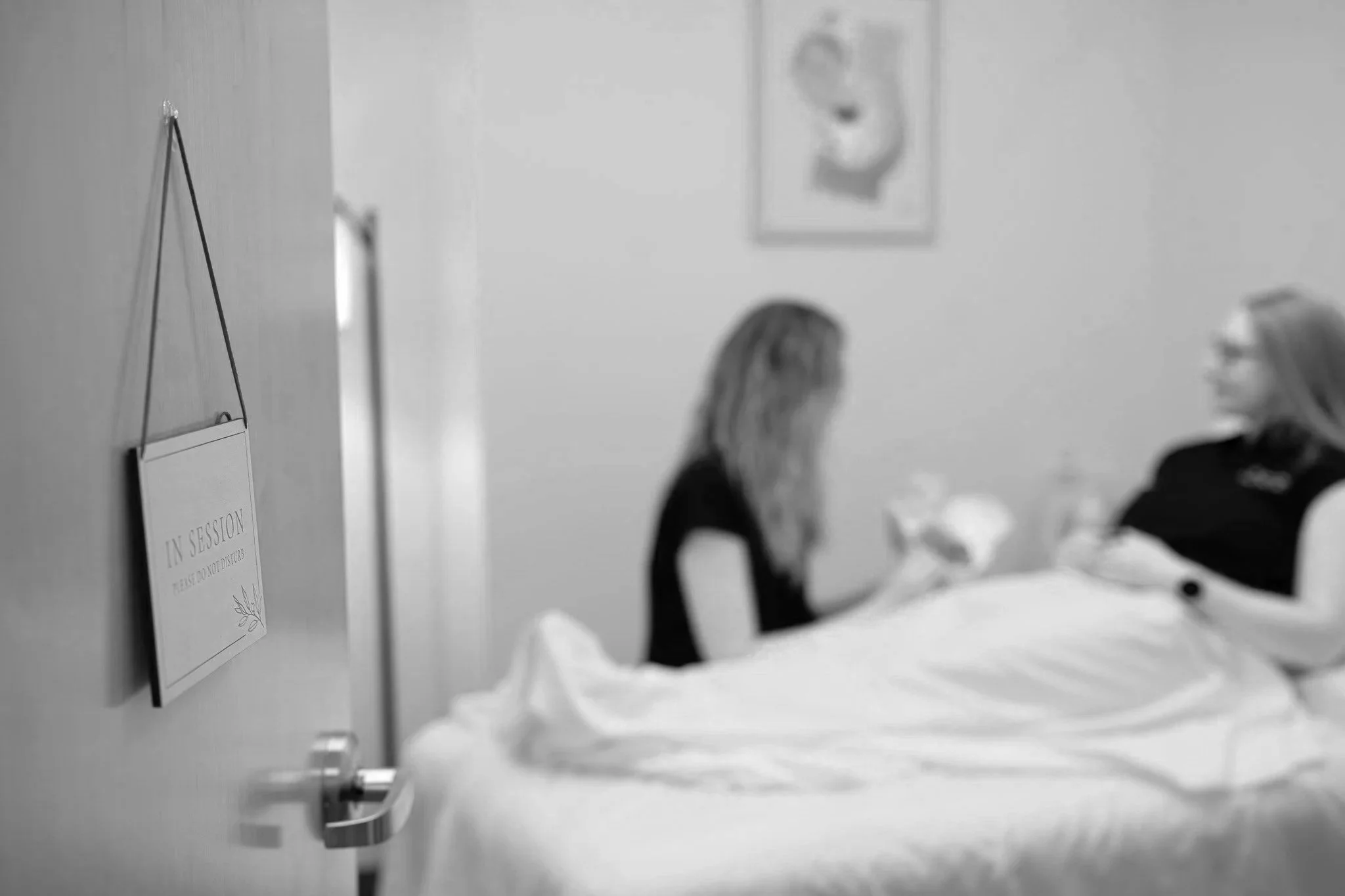
Pelvic Healthcare For Men
Specialized Pelvic Floor Physical Therapy for Men
Confidential, one-on-one pelvic floor physical therapy in Avon, CT for men experiencing pelvic pain, urinary symptoms, post-prostate surgery concerns, or core and pelvic floor dysfunction.

Male Pelvic Pain
Pelvic pain in men may present as discomfort in the lower abdomen, groin, tailbone, testicles, or perineum (the area between the genitals and anus). This pain is often related to muscle tension, nerve irritation, or pelvic floor dysfunction.
Pelvic floor therapy can help address:
Chronic pelvic pain
Peyronie’s disease
Premature ejaculation
Delayed ejaculation
Pain with sitting or prolonged positions
Groin or perineal discomfort
Tailbone pain
Pelvic muscle tension
Treatment focuses on reducing muscle tension, improving mobility in the hips and pelvis, and restoring proper coordination of the pelvic floor muscles.
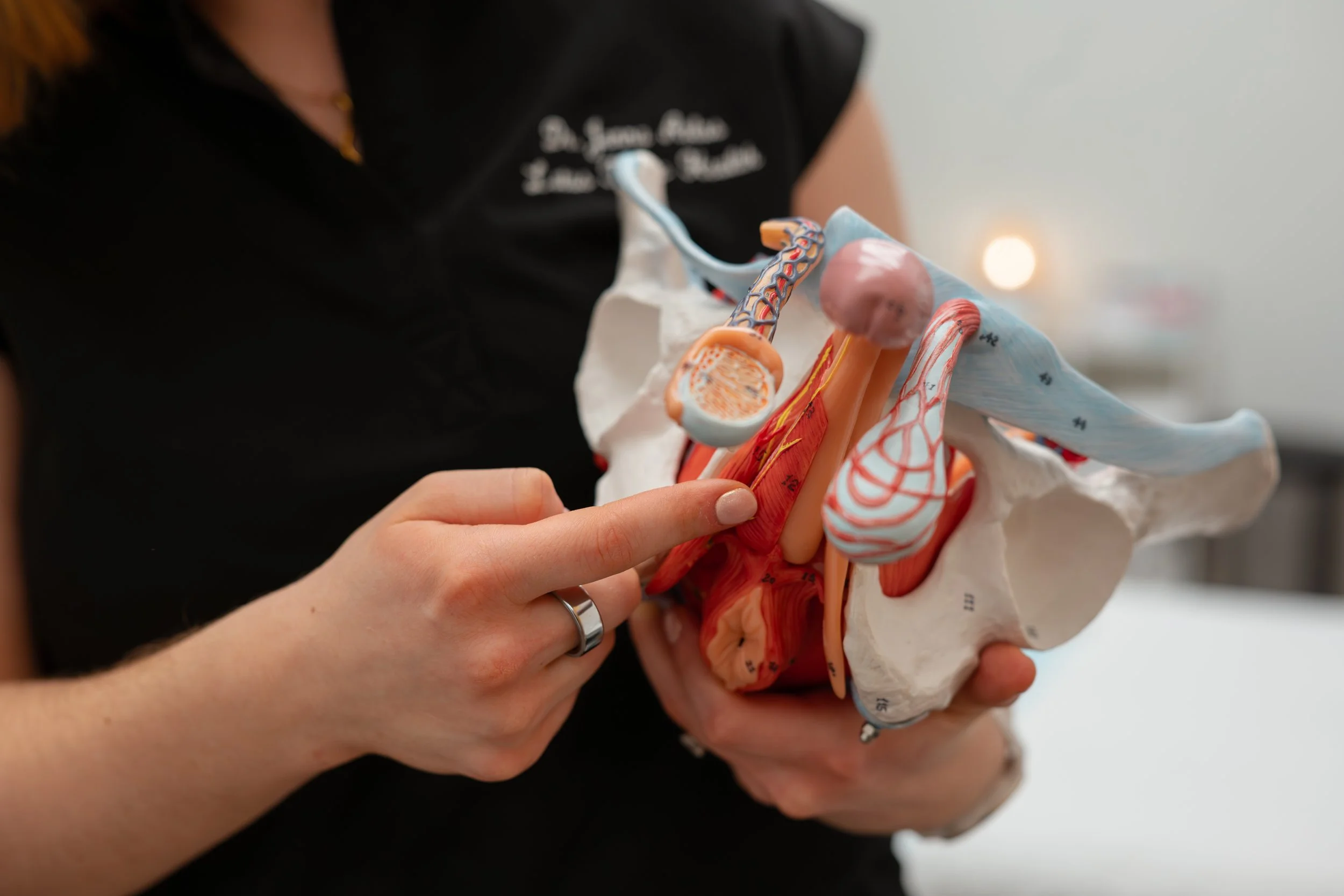
Urinary Symptoms in Men
Pelvic floor dysfunction can contribute to urinary symptoms such as urgency, frequency, or leakage. These symptoms may occur independently or after procedures such as prostate surgery.
Pelvic floor therapy can help treat:
Urinary urgency or frequency
Difficulty fully emptying the bladder
Leakage with movement or activity
Post-prostatectomy incontinence
Treatment may include pelvic floor muscle retraining, bladder control strategies, and exercises to improve coordination between the pelvic floor, core, and diaphragm.
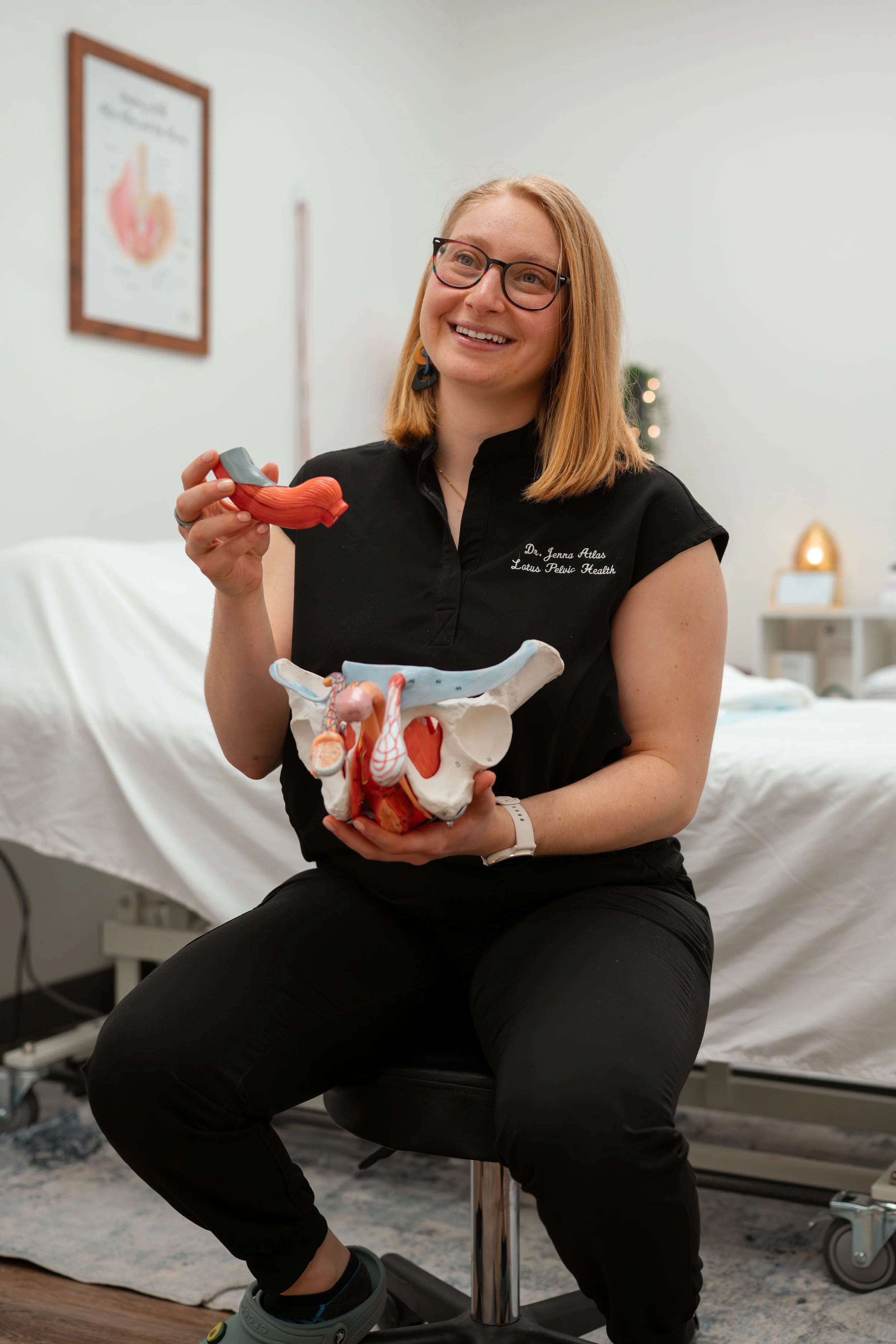
Post-Prostate Surgery Rehabilitation
Pelvic floor physical therapy is often recommended following prostate surgery to support recovery and improve bladder control.
Rehabilitation may focus on:
Restoring pelvic floor muscle strength and coordination
Improving bladder control and reducing leakage
Supporting safe return to activity and exercise
Addressing pelvic or abdominal tension that develops during recovery
Early guidance can help men regain confidence and return to normal routines more comfortably.

Core & Pelvic Stability
The pelvic floor works closely with the abdominal muscles, diaphragm, and spine to support posture and movement. Weakness or poor coordination in this system can contribute to low back pain, pelvic discomfort, or reduced athletic performance.
Treatment may include:
Core and pelvic floor strengthening
Movement and posture assessment
Hip mobility and stability exercises
Strategies to reduce strain during lifting or activity
Improving coordination throughout the core system supports better movement and long-term pelvic health.
Understanding Men’s Pelvic Health
Pelvic floor issues affect men more often than many people realize. The pelvic floor muscles support bladder and bowel control, sexual function, and core stability. When these muscles become tight, weak, or poorly coordinated, they can contribute to a variety of symptoms that impact daily comfort and quality of life.
At Lotus Pelvic Health, we provide discreet, personalized care designed specifically for men experiencing pelvic health concerns. Our approach focuses on understanding the root cause of symptoms and creating a treatment plan that restores proper muscle function and movement.
GETTING STARTED WITH PELVIC FLOOR THERAPY: WHAT TO EXPECT
Starting pelvic floor physical therapy can feel… unfamiliar. We’re here to make it comfortable, clear, and supportive from the very beginning.
STEP 1: REACH OUT
Contact us by phone, email, or our convenient online contact form to share what’s been going on. We’ll answer any questions you might have and help determine if pelvic floor therapy is the right next step.
Step 2: One-on-One Evaluation
Your first visit is a private, 60-minute session focused on understanding your symptoms, history, movement, and goals. Internal assessment is never required, and is only performed with your full consent and comfort.
Step 3: Personalized Plan of Care
You’ll leave your first session with clear next steps, education, and a treatment plan designed specifically for your body and lifestyle. It’s our goal to help you feel better and get back to doing the things you love.
MEET Our Team
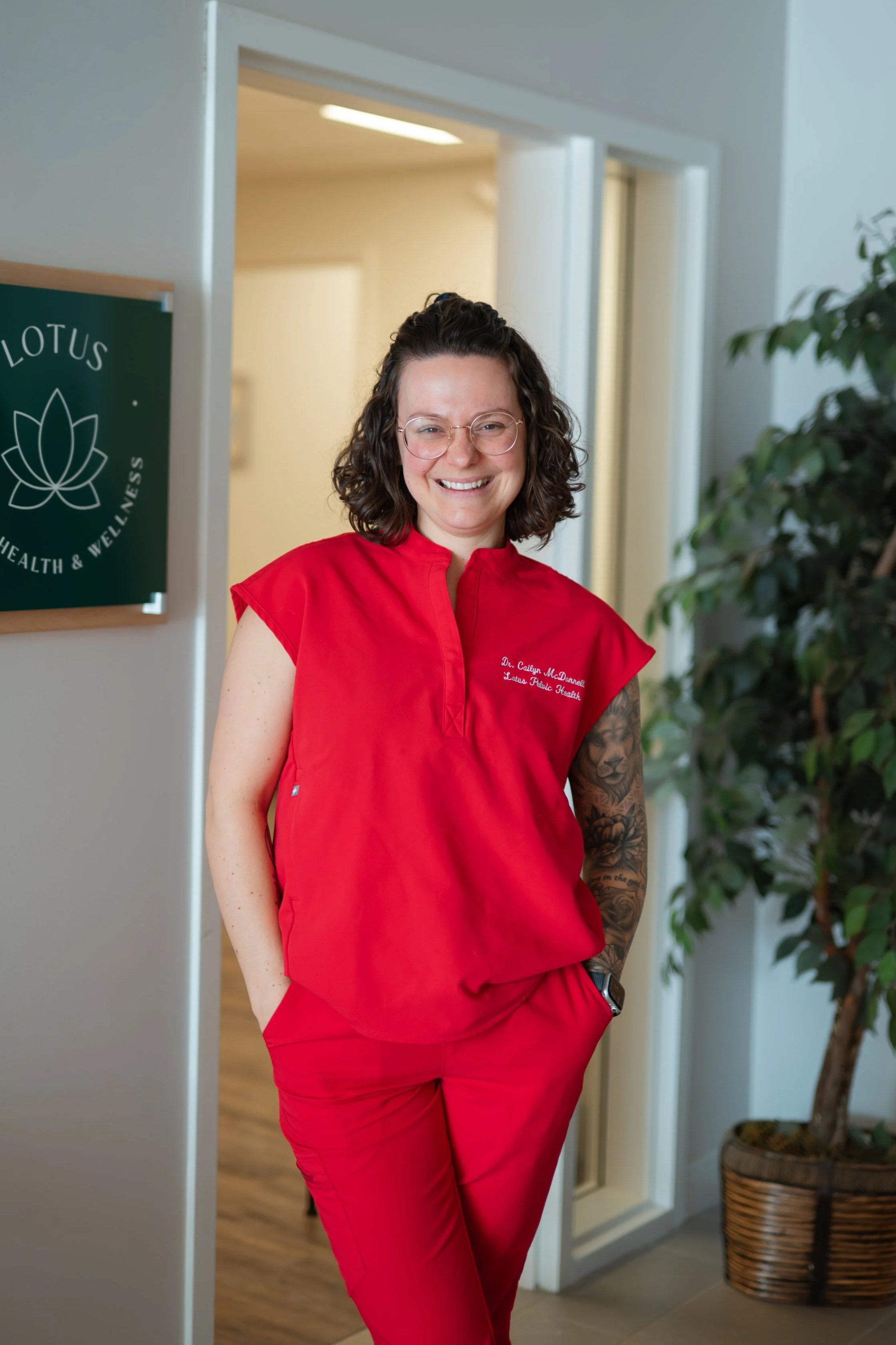
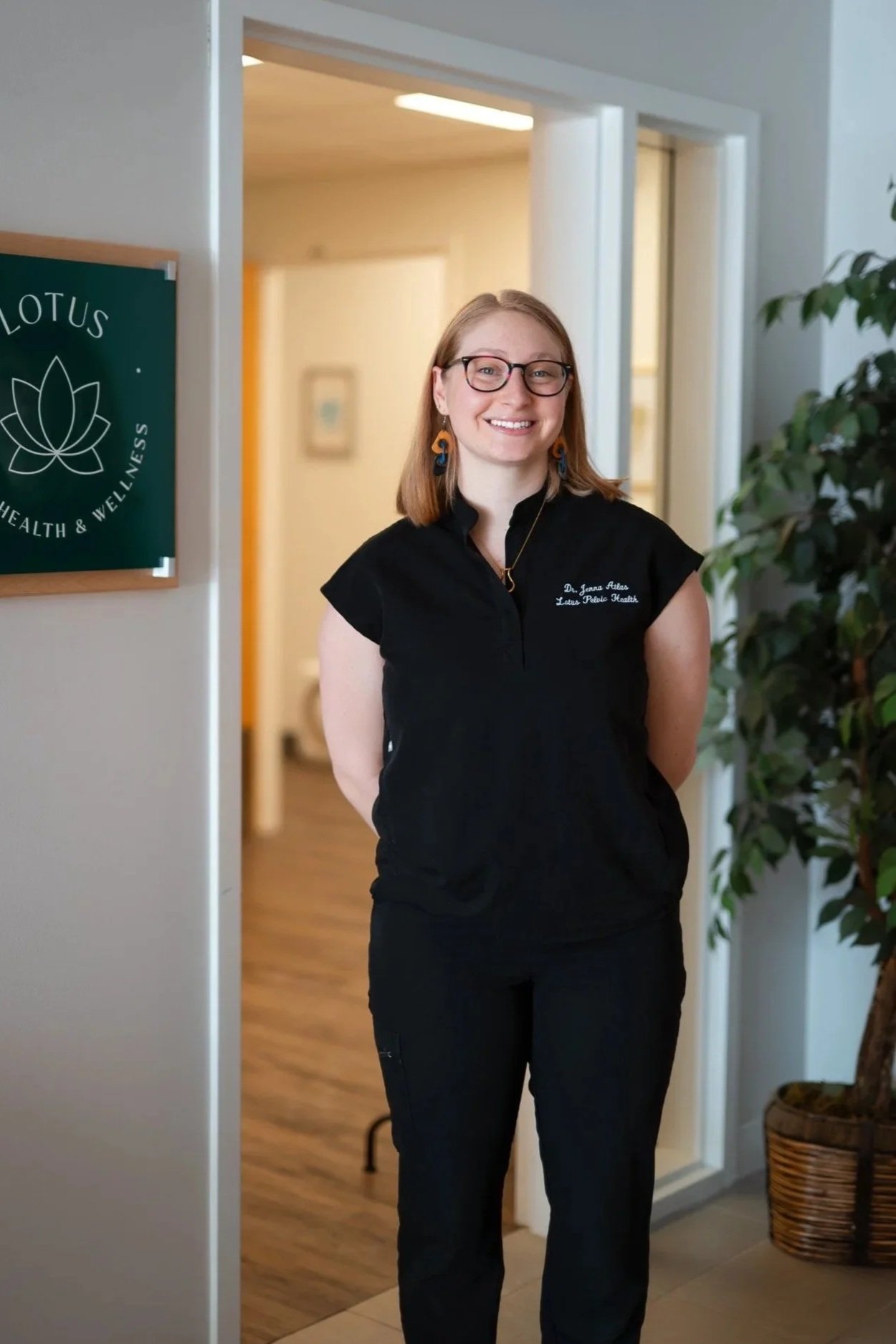
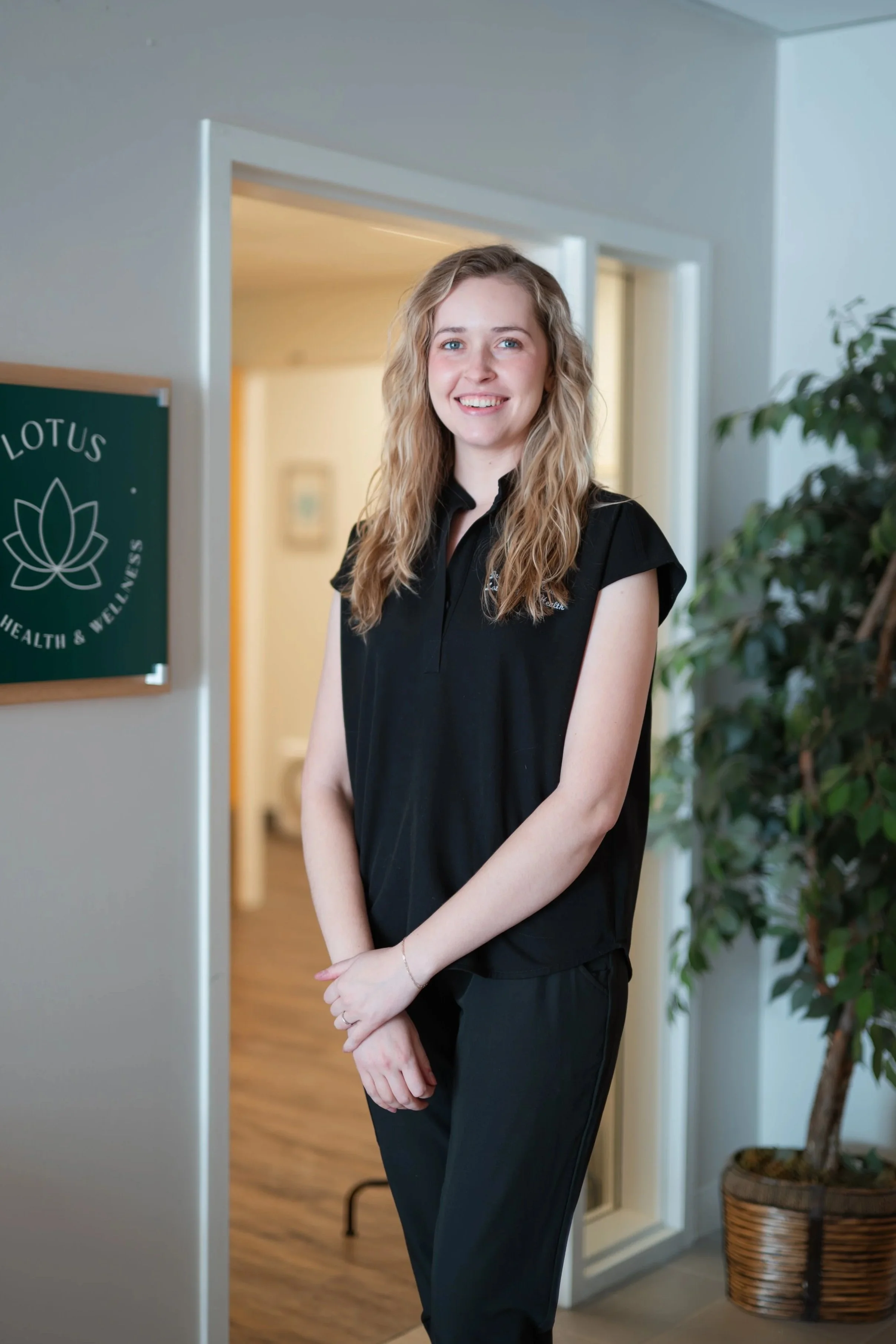
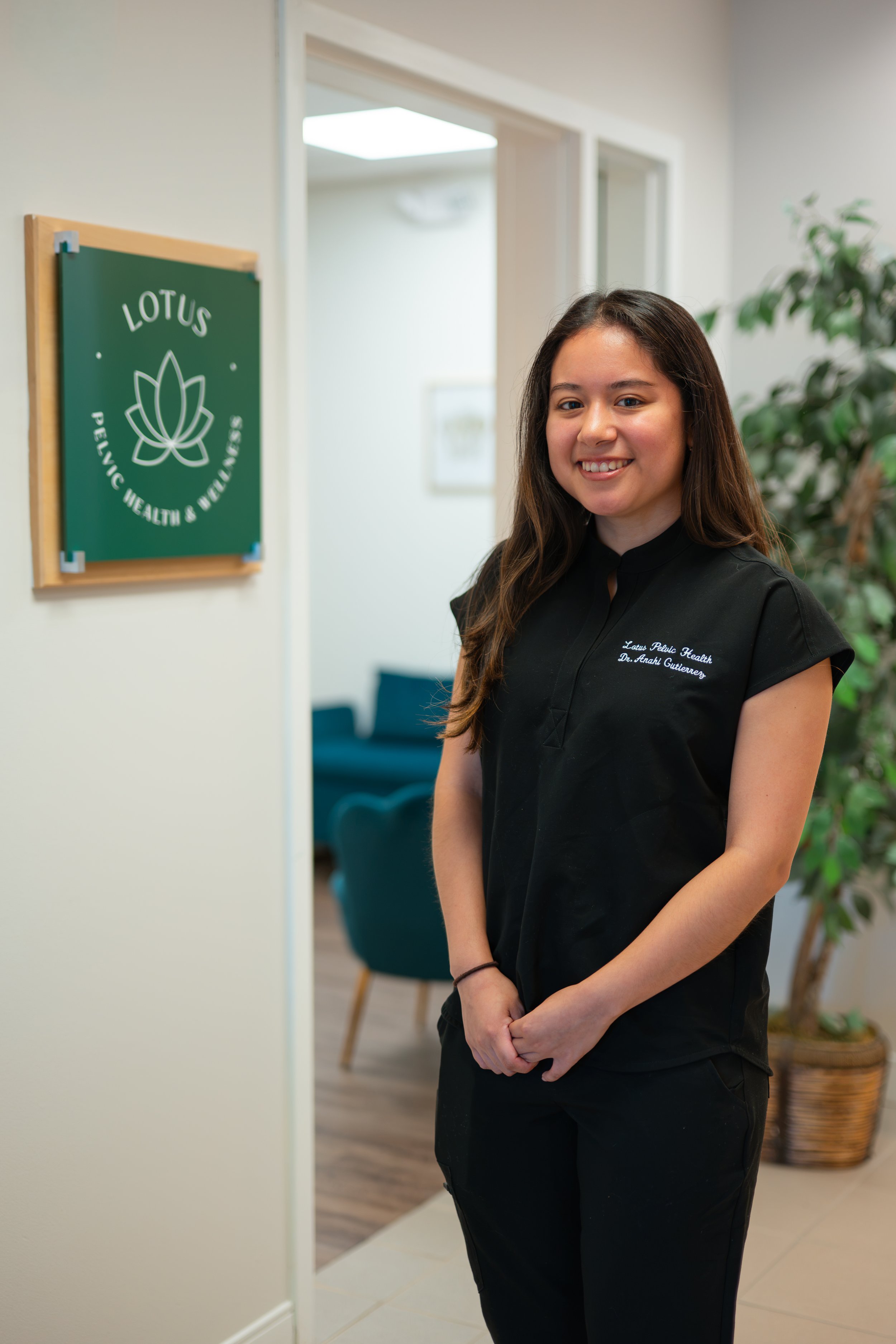
Lotus Pelvic Health is led by a growing team of licensed pelvic floor physical therapists who believe care should be personal, thoughtful, and grounded in trust. What started as a one-therapist, mobile practice has grown into a collaborative clinic with multiple providers and dedicated administrative support- all committed to helping you feel heard and supported.