Pelvic Floor Dysfunction
Specialized Physical Therapy for Bladder, Bowel & Pelvic Floor Concerns
Personalized pelvic floor physical therapy in Avon, CT for urinary leakage, urgency, constipation, prolapse, and pelvic floor dysfunction. Restore strength, improve control, and feel confident in your body again.
Urinary Incontinence & Bladder Concerns
Leaking urine during exercise, coughing, sneezing, or feeling a sudden strong urge to go are common- but not normal.
Pelvic floor physical therapy can help treat:
Stress urinary incontinence (leakage with activity or impact)
Urge incontinence and overactive bladder
Urinary frequency or urgency
Bladder pain or interstitial cystitis (IC)
Urethral burning/irritation
Incomplete bladder emptying
Treatment may include pelvic floor strengthening or relaxation, bladder retraining strategies, breathing coordination, and whole-body movement assessment to improve muscle timing and control.
Our goal is to help you return to daily life and activity without fear of leakage.

Bowel Dysfunction & Constipation
Pelvic floor dysfunction can contribute to constipation, straining, incomplete emptying, or difficulty coordinating bowel movements.
We address:
Chronic constipation
Painful bowel movements
Pelvic floor dyssynergia (impaired muscle coordination)
Postpartum bowel changes
Treatment focuses on improving pelvic floor relaxation, teaching effective toileting mechanics, optimizing breathing patterns, and addressing abdominal and core coordination to support easier, more comfortable bowel function.

Pelvic Organ Prolapse Support
Pelvic organ prolapse occurs when pelvic structures descend due to reduced muscular or connective tissue support. Symptoms may include pelvic pressure, heaviness, or a bulging sensation.
Pelvic floor physical therapy can help:
Improve muscular support and coordination
Reduce symptoms of pressure and heaviness
Educate on safe movement and lifting mechanics
Support postpartum or post-surgical recovery
While prolapse does not always require surgery, targeted therapy can significantly improve comfort and function.
Overactive or Tight Pelvic Floor Muscles
Pelvic floor dysfunction is not always about weakness. In many cases, muscles may be overactive, tense, or unable to relax fully.
This can contribute to:
Urinary urgency
Pelvic pain
Pain with intercourse
Difficulty initiating urine or bowel movements
Treatment may include gentle manual therapy, relaxation techniques, breathing retraining, and mobility work for the hips and spine to reduce tension and restore balance.
Understanding Pelvic Floor Dysfunction
Pelvic floor dysfunction occurs when the muscles of the pelvic floor are not working efficiently. These muscles must be able to contract, relax, and coordinate with the core and diaphragm to properly support bladder and bowel function. When this coordination is disrupted, symptoms such as leakage, urgency, pelvic pressure, or difficulty with bowel movements can develop.
At Lotus Pelvic Health, we provide one-on-one, evidence-informed care to address the root cause of your symptoms- not just manage them.
GETTING STARTED WITH PELVIC FLOOR THERAPY: WHAT TO EXPECT
Starting pelvic floor physical therapy can feel… unfamiliar. We’re here to make it comfortable, clear, and supportive from the very beginning.
STEP 1: REACH OUT
Contact us by phone, email, or our convenient online contact form to share what’s been going on. We’ll answer any questions you might have and help determine if pelvic floor therapy is the right next step.
Step 2: One-on-One Evaluation
Your first visit is a private, 60-minute session focused on understanding your symptoms, history, movement, and goals. Internal assessment is never required, and is only performed with your full consent and comfort.
Step 3: Personalized Plan of Care
You’ll leave your first session with clear next steps, education, and a treatment plan designed specifically for your body and lifestyle. It’s our goal to help you feel better and get back to doing the things you love.
MEET Our Team
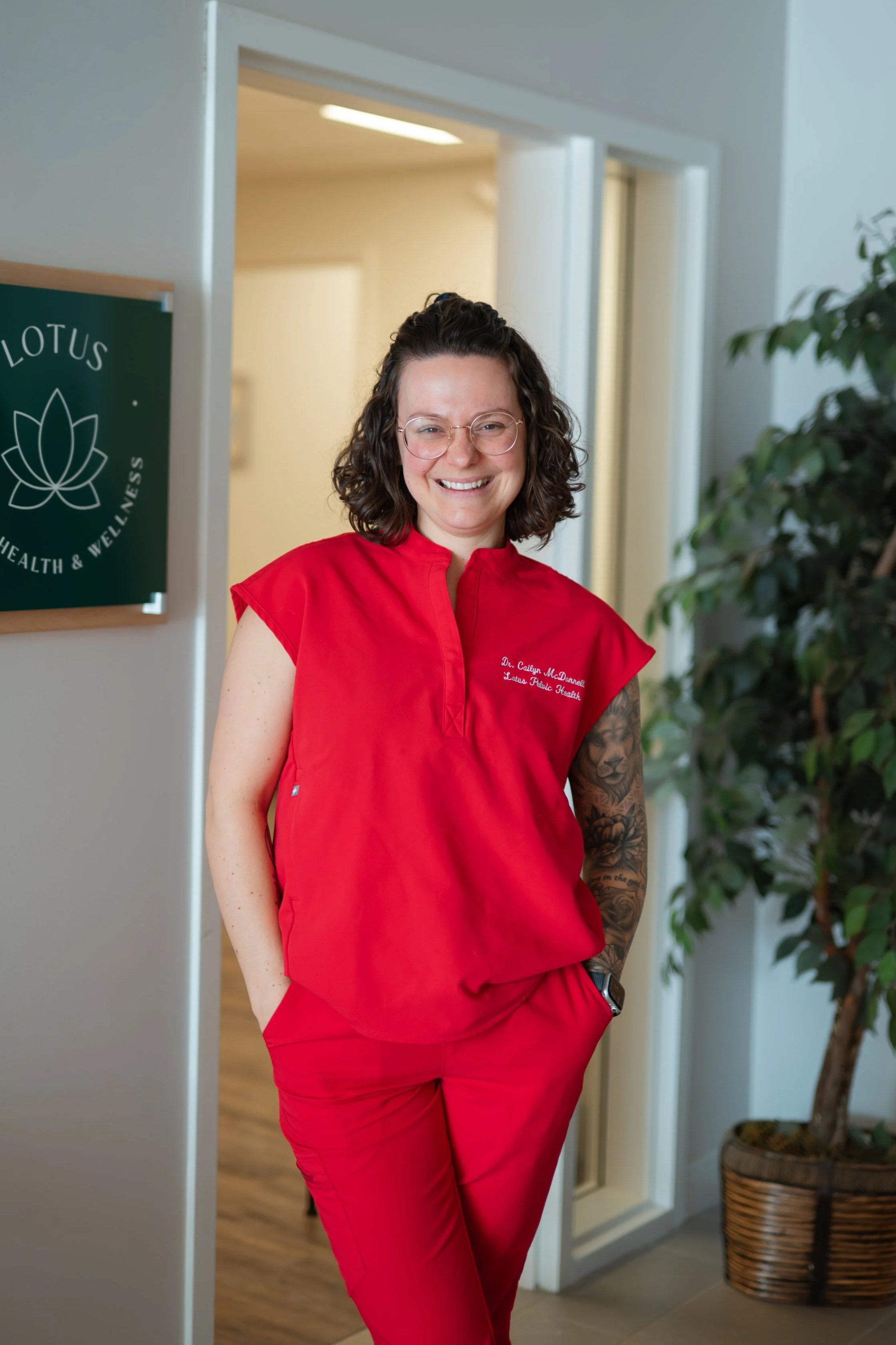
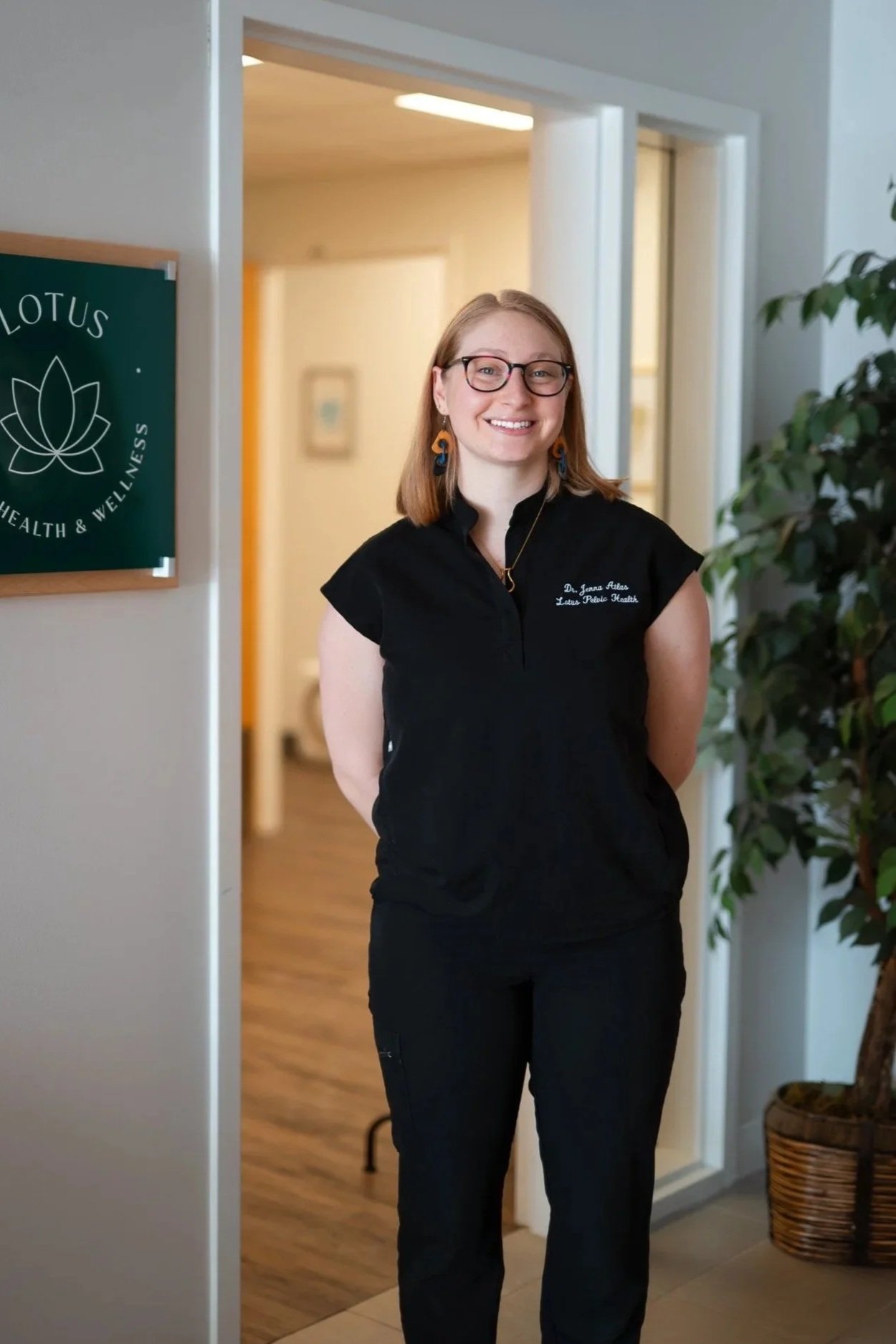
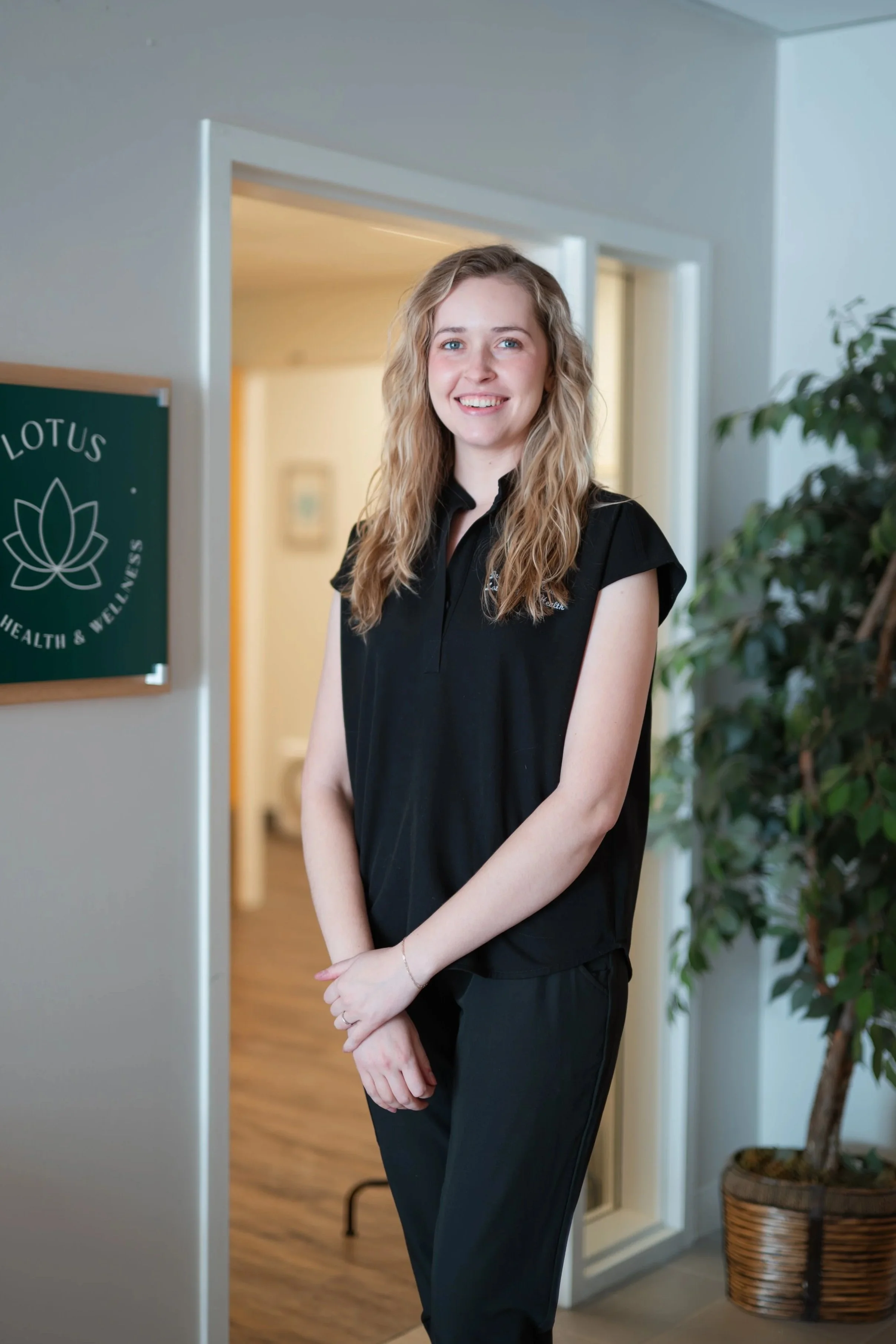
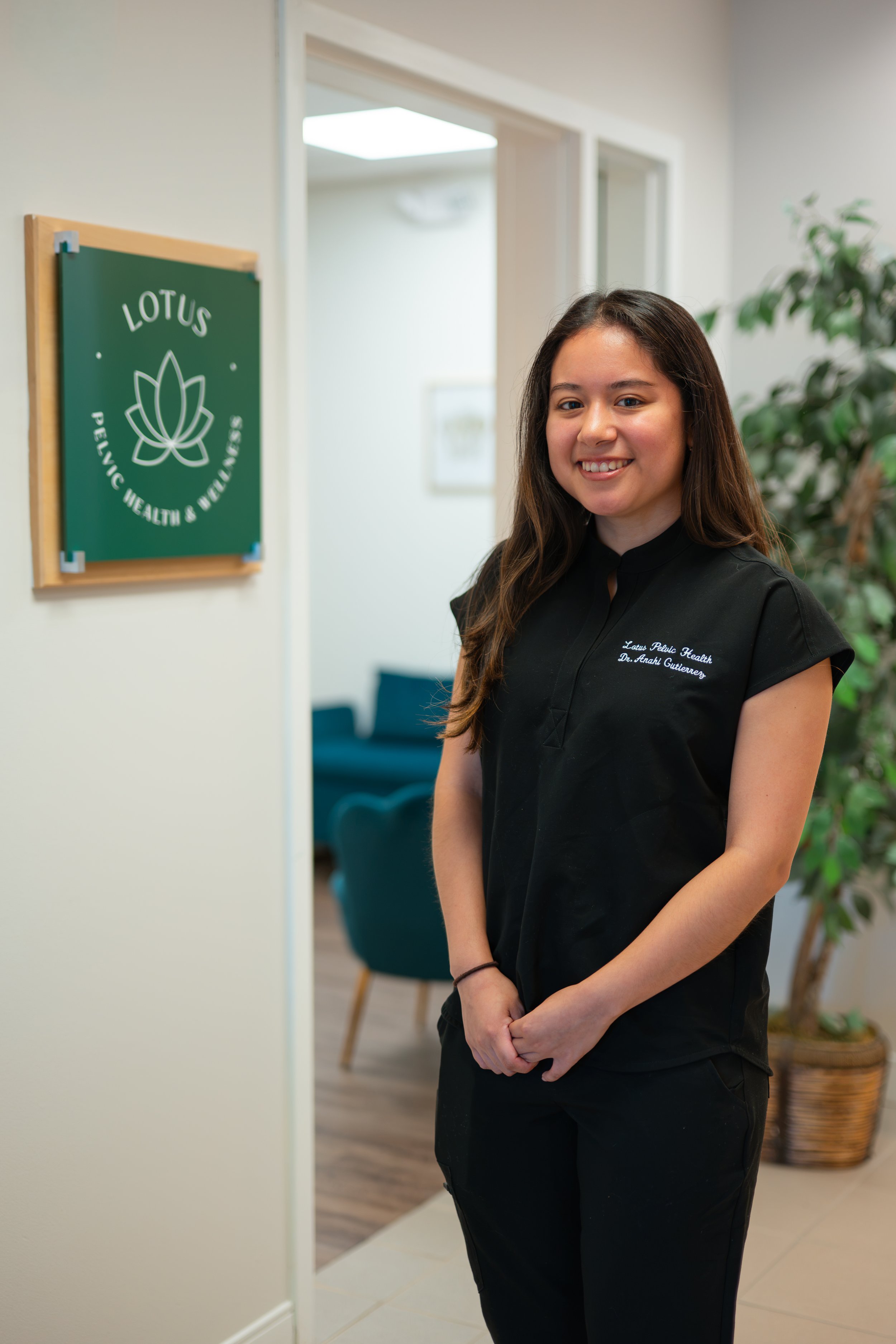
Lotus Pelvic Health is led by a growing team of licensed pelvic floor physical therapists who believe care should be personal, thoughtful, and grounded in trust. What started as a one-therapist, mobile practice has grown into a collaborative clinic with multiple providers and dedicated administrative support- all committed to helping you feel heard and supported.