Pelvic Pain & Orthopedic Conditions
Physical Therapy for Pelvic Pain, Endometriosis, & Low Back/SI Joint Dysfunction
Specialized pelvic health physical therapy in Avon, CT for pelvic pain, including endometriosis, adenomyosis, painful periods, pudendal nerve pain, and hip or low back/SI joint dysfunction. Our whole-body approach may include manual therapy, movement-based treatment, and dry needling to reduce pain, restore mobility, and help you return to daily activities with confidence.

Pelvic Pain Conditions
Pelvic pain can present in many ways and may be constant or occur with certain movements, sitting, exercise, or intimacy. Pelvic floor dysfunction, muscle tension, nerve irritation, or previous injury can all contribute to ongoing symptoms.
Pelvic floor physical therapy can help address:
Chronic pelvic pain
Endometriosis-related pain
Adenomyosis and pelvic discomfort
Painful periods (dysmenorrhea)
Pudendal nerve pain or irritation
Pain with sitting or prolonged positions
Tailbone (coccyx) pain
Pelvic muscle tension or guarding
Pain related to previous injury, childbirth, or surgery
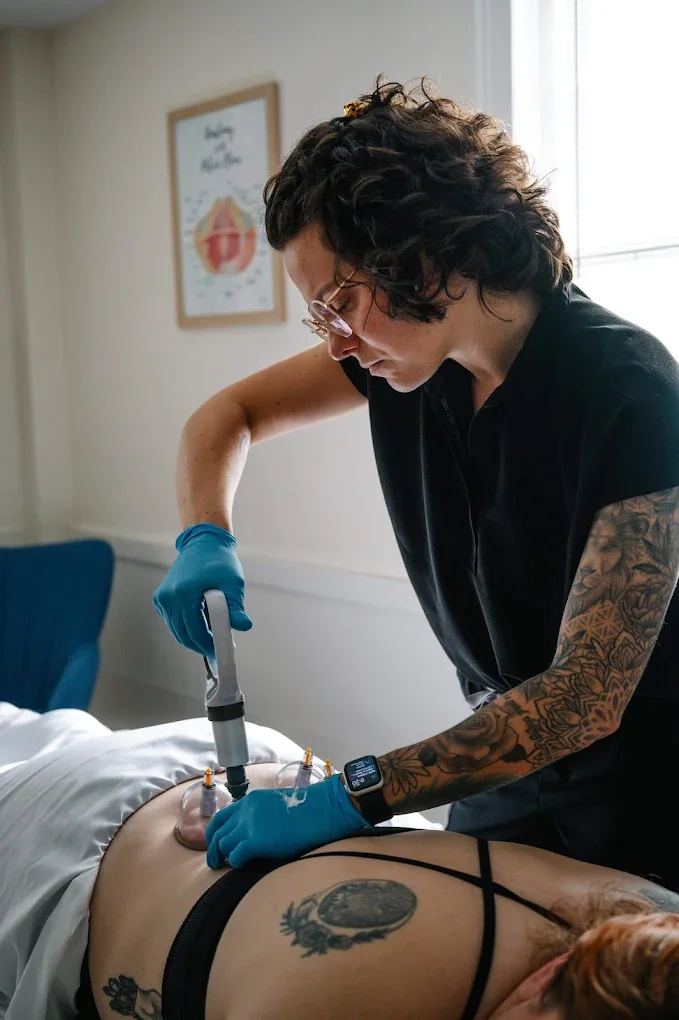
Treatment may include gentle manual therapy, pelvic floor relaxation strategies, mobility work, movement retraining, and and dry needling to reduce tension and restore comfort.

Low Back & Sacroiliac (SI) Joint Pain
The sacroiliac joints and lower back play a critical role in supporting the pelvis and transferring force through the body during movement. When these joints become irritated or unstable, pain may develop in the low back, hips, buttocks, or pelvis.
Our approach to low back and SI joint pain focuses on:
Identifying movement patterns that contribute to strain
Improving core and pelvic floor coordination
Restoring stabilitythrough targeted strengthening
Reducing muscular tension that affects pelvic alignment
By improving how the pelvis, spine, and core work together, therapy can help relieve pain and improve overall movement efficiency.

Hip & Pelvic Mobility
Restricted mobility in the hips or pelvis can place additional stress on surrounding muscles and joints, often contributing to both pelvic and low back discomfort.
Pelvic health physical therapy may include:
Hip mobility and joint movement exercises
Soft tissue work to reduce muscle tension
Postural and movement analysis
Strengthening for the hips, glutes, and deep core muscles
Improving mobility and strength in these areas helps support better pelvic stability and reduces strain during daily activities, exercise, and work.
Tailbone (Coccyx) Pain
Tailbone pain can develop after falls, prolonged sitting, childbirth, or repetitive strain. This condition can make sitting, standing transitions, and daily activities uncomfortable.
Treatment may focus on:
Reducing muscle tension around the pelvic floor and tailbone
Improving pelvic alignment and mobility
Teaching sitting strategies to reduce pressure on the coccyx
Strengthening surrounding muscles for improved support
With targeted care, many people experience meaningful relief and improved tolerance for sitting and movement.
Understanding Pelvic Pain & Related Musculoskeletal Conditions
Pelvic pain and orthopedic conditions affecting the hips, spine, and pelvis are often closely connected. The pelvic floor muscles work together with the core, hips, and lower back to support movement, stability, and daily function. When one part of this system becomes irritated, tense, or weak, it can contribute to persistent discomfort or pain.
Pelvic pain may also be influenced by underlying conditions such as endometriosis, adenomyosis, painful periods, or pudendal nerve irritation, which can further affect how muscles and nerves function throughout the pelvic region.
At Lotus Pelvic Health, we take a whole-body approach to evaluating pelvic pain and related orthopedic conditions. Our care focuses on identifying the underlying cause of symptoms and developing a treatment plan that improves mobility, restores muscle balance, and reduces strain on sensitive tissues. Treatment may include a combination of manual therapy, movement-based rehabilitation, and dry needling to support pain relief and long-term recovery.
GETTING STARTED WITH PELVIC FLOOR THERAPY: WHAT TO EXPECT
Starting pelvic floor physical therapy can feel… unfamiliar. We’re here to make it comfortable, clear, and supportive from the very beginning.
STEP 1: REACH OUT
Contact us by phone, email, or our convenient online contact form to share what’s been going on. We’ll answer any questions you might have and help determine if pelvic floor therapy is the right next step.
Step 2: One-on-One Evaluation
Your first visit is a private, 60-minute session focused on understanding your symptoms, history, movement, and goals. Internal assessment is never required, and is only performed with your full consent and comfort.
Step 3: Personalized Plan of Care
You’ll leave your first session with clear next steps, education, and a treatment plan designed specifically for your body and lifestyle. It’s our goal to help you feel better and get back to doing the things you love.
MEET Our Team
Lotus Pelvic Health is led by a growing team of licensed pelvic floor physical therapists who believe care should be personal, thoughtful, and grounded in trust. What started as a one-therapist, mobile practice has grown into a collaborative clinic with multiple providers and dedicated administrative support- all committed to helping you feel heard and supported.